Soil & Nutrition
Understanding soil health, pH, nutrients and fertiliser management
6 articles
 5 min
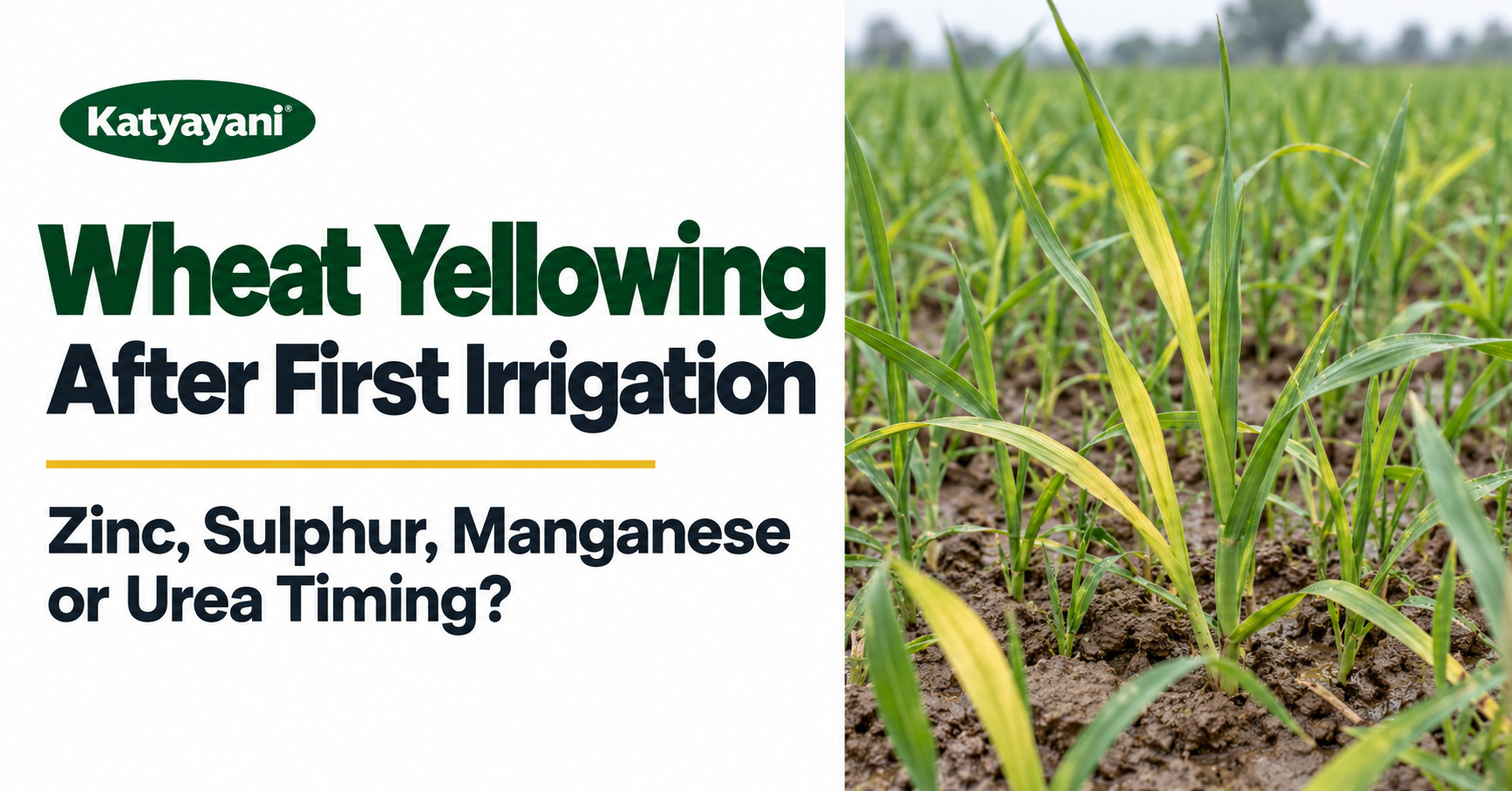
5 minWheat Yellowing After First Irrigation: Zinc, Sulphur, Manganese or Urea Timing?
Wheat that yellows after the first irrigation usually has one of five causes: temporary waterlogging, nitrogen shortage from late urea, manganese deficiency on light soils, sulphur deficiency on sandy soils, or zinc deficiency. Check which leaves yellow first and the pattern, then correct with drainage, urea, or a manganese, zinc or sulphur dose.
 6 min
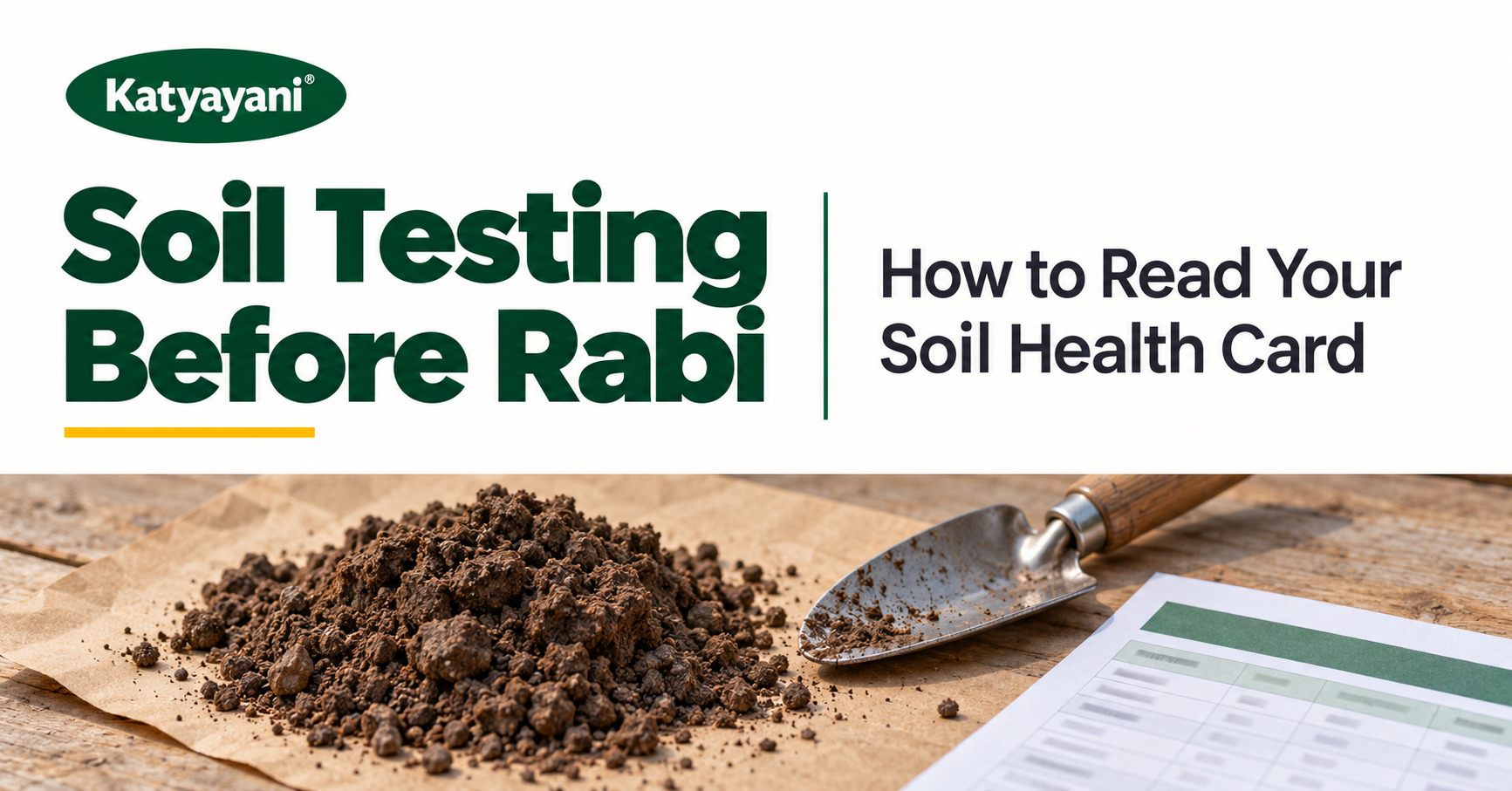
6 minSoil Testing Before Rabi: How to Read Your Soil Health Card
To read a Soil Health Card, check three parts: soil condition (pH, EC, organic carbon), nutrient status (N, P, K, S and five micronutrients rated low, medium or high) and the crop-wise fertilizer recommendation. Low means add more of that nutrient, high means you can cut back. Then convert kg of nutrient into fertilizer bags.
 9 min
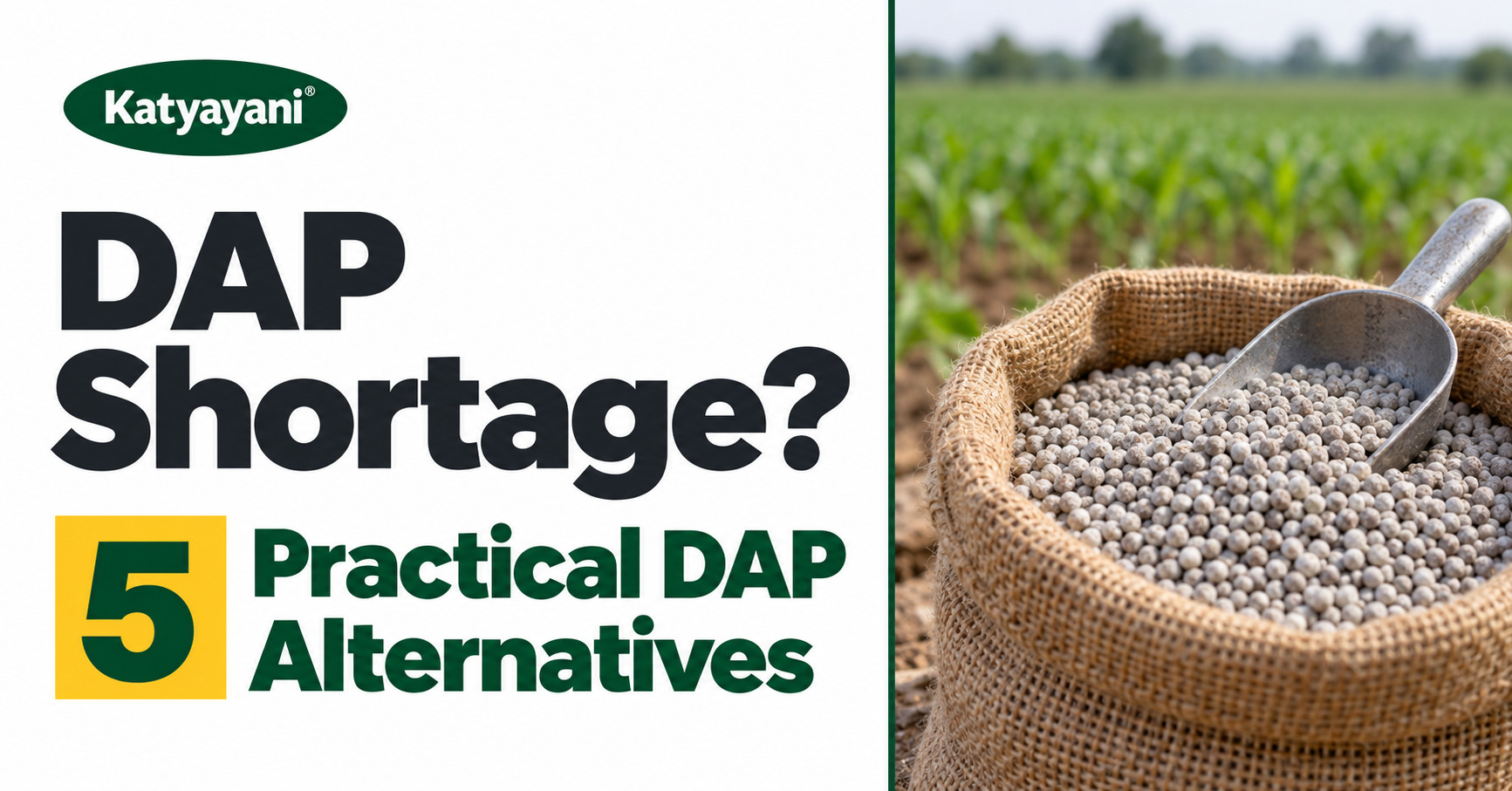
9 minDAP Shortage? 5 Practical DAP Alternatives (SSP, NPK 12:32:16, Nano DAP) Compared
The most practical DAP alternatives are SSP (3 bags per DAP bag, plus about 20 kg extra urea), NPK 12:32:16 (about 1.5 bags), NPK 10:26:26 (about 1.8 bags) and TSP (1 bag, plus urea). Nano DAP supports seed treatment and foliar feeding but cannot replace the phosphorus that basal DAP supplies.
 9 min
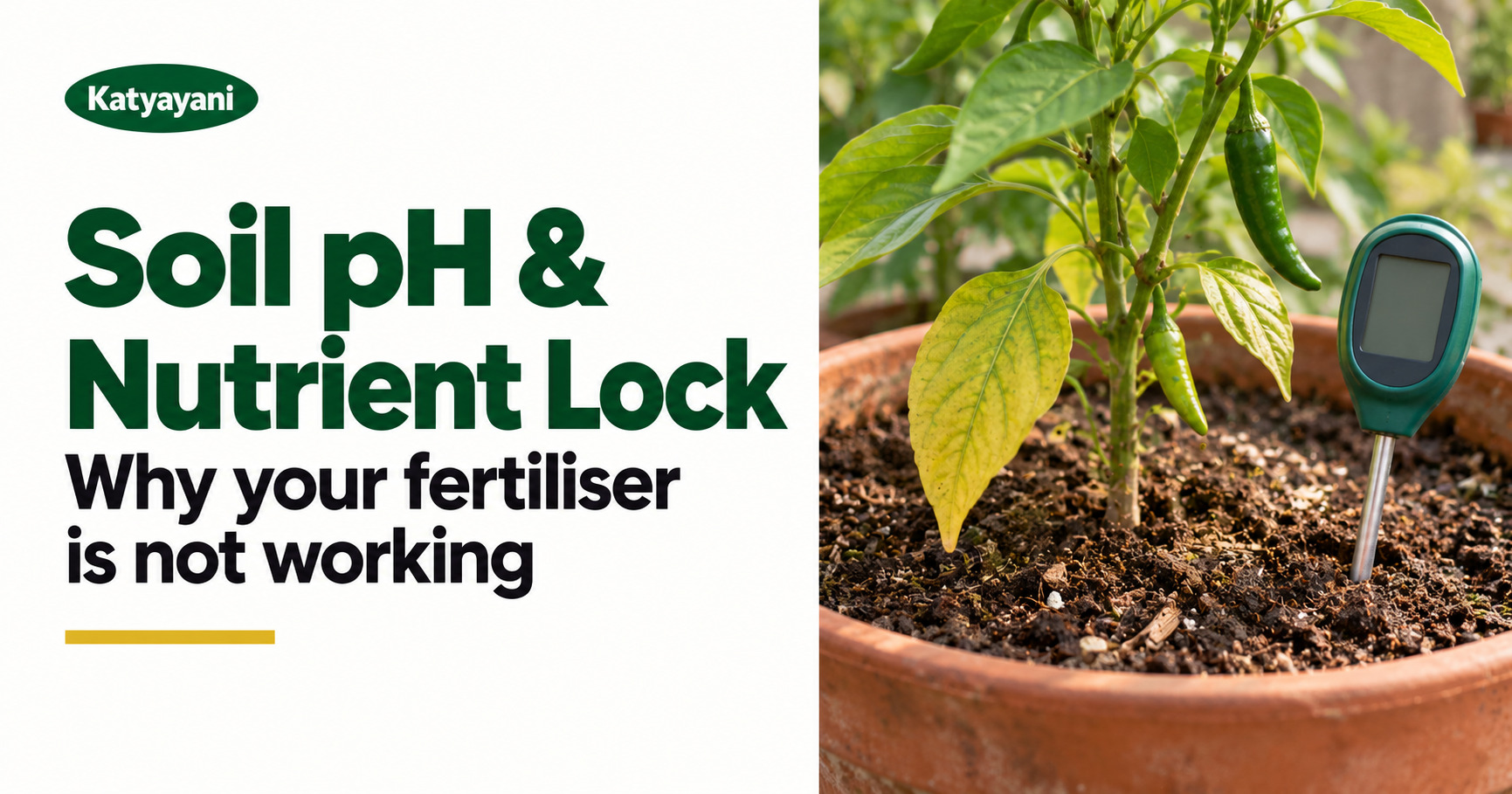
9 minSoil pH and nutrient lock: why your fertiliser is not working
If you applied fertiliser and the crop did not respond, the nutrient is often still sitting in the soil in a form the root cannot absorb. Soil pH is the usual reason. Most nutrients are freely available between pH 6.0 and 7.0, and several shut down outside that band.
 9 min
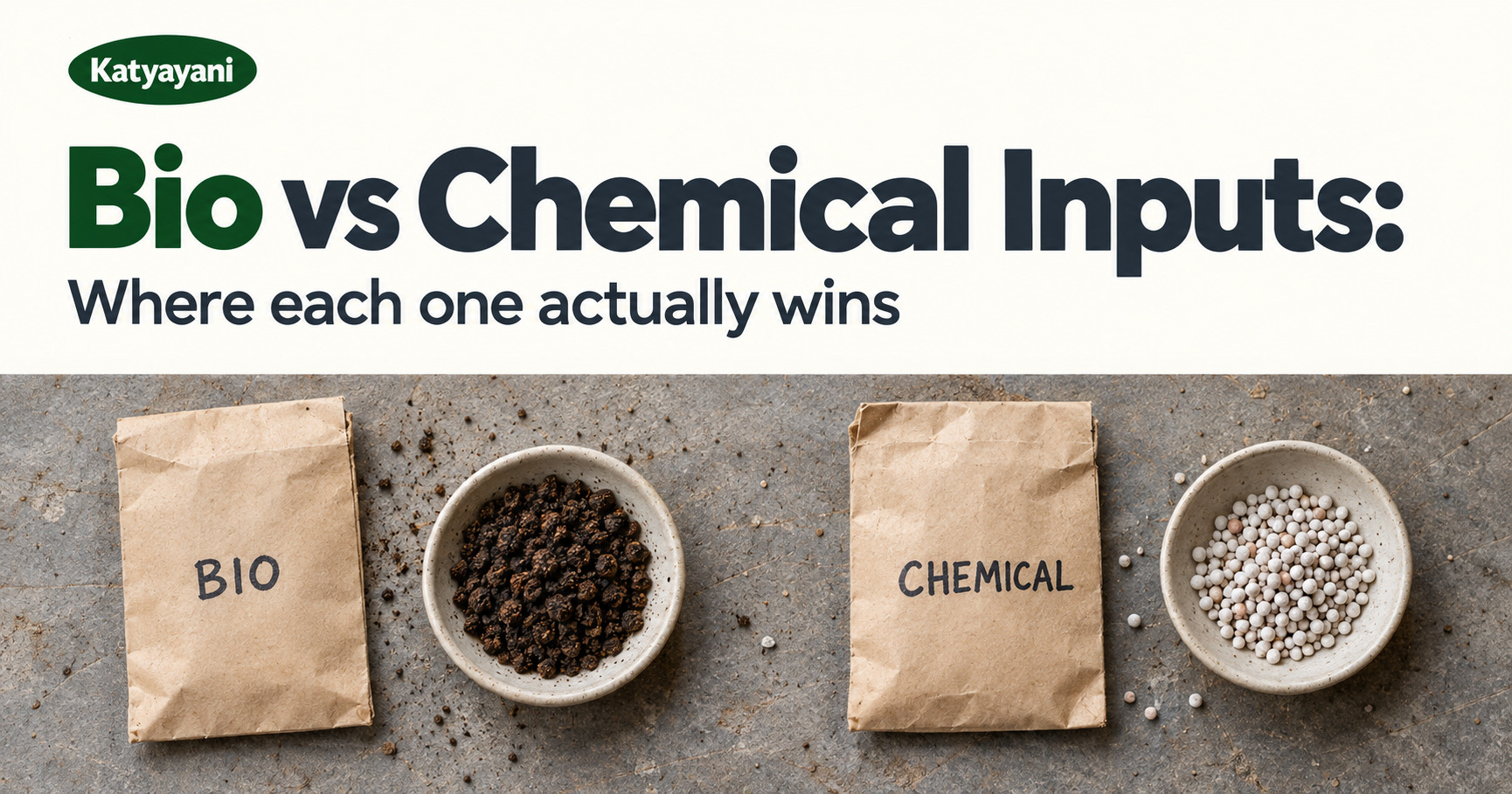
9 minBio vs chemical inputs: where each one actually wins
Chemical inputs stop an outbreak that is already underway. Biologicals prevent one from starting, protect the soil, and keep produce free of residue. They are not competitors. Used in the wrong order, both disappoint.
 9 min
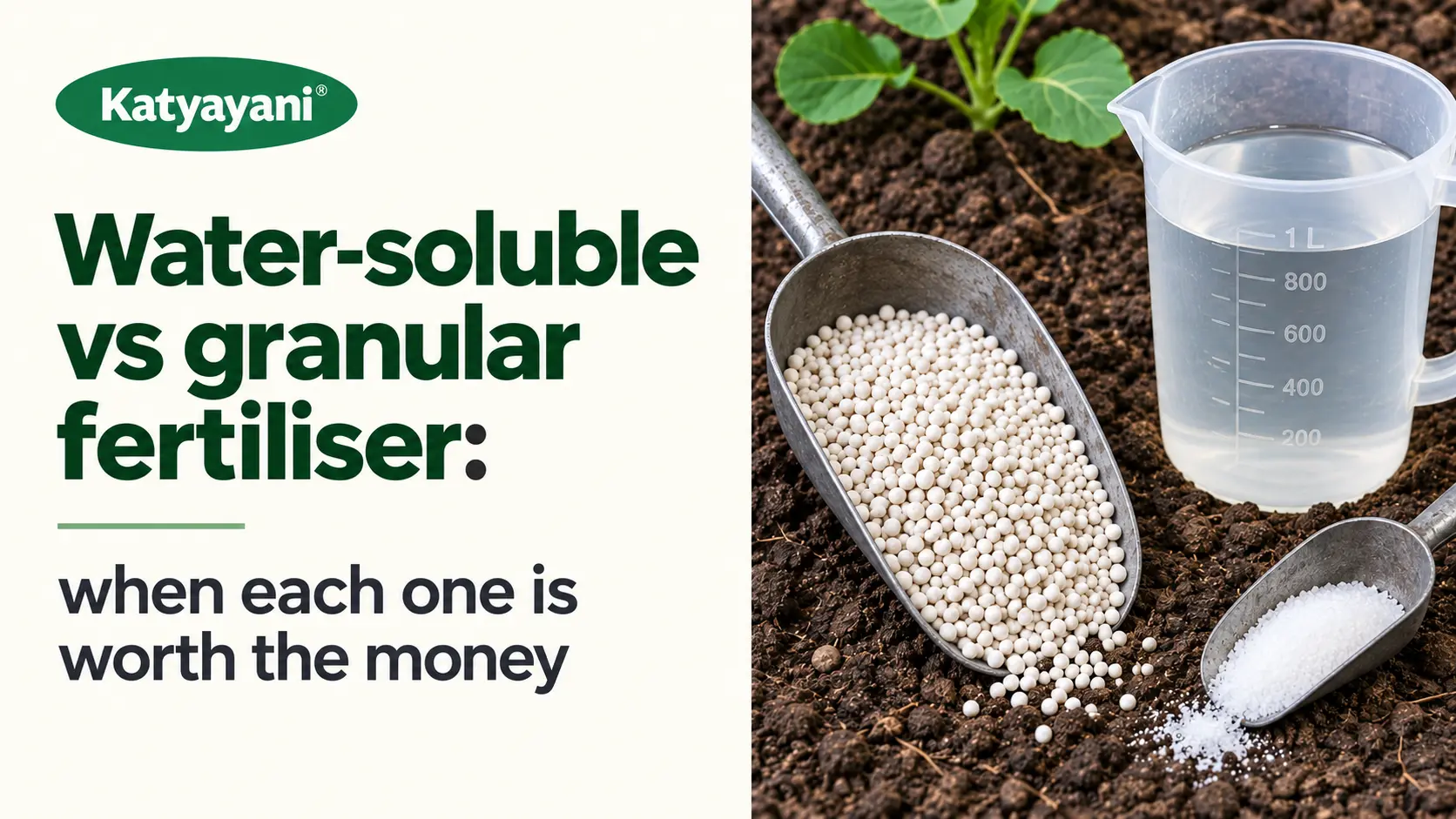
9 minWater-soluble vs granular fertiliser: when each one is worth the money
Water-soluble fertiliser costs two to four times more per kilogram than granular. It is worth that premium only when the crop needs a nutrient fast, or when you are already running drip. For the base dose at sowing, granular still wins on cost.
